OBD2 Reader vs. Taking Your Car to the Shop: Cost, Time, and Convenience Comparison
Car trouble—two words every driver dreads. The check engine light flicks on, and suddenly you’re faced with a decision: buy an OBD2 reader and handle diagnostics yourself, or take your car straight to the shop. Both options have pros and cons, but if you’re looking at cost, time, and convenience, the OBD2 reader might surprise you with its value.
Let’s break it down.
What is an OBD2 Reader?
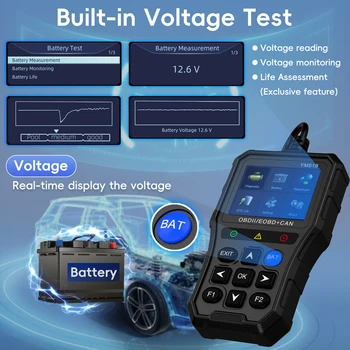
An OBD2 (On-Board Diagnostics) reader is a small device that plugs into your car’s diagnostic port (standard in most vehicles made after 1996). It reads the trouble codes stored in your car’s computer system, giving you a clearer picture of what’s wrong—whether it’s a loose gas cap, a faulty oxygen sensor, or something more serious.
Paired with a smartphone app or standalone screen, OBD2 readers provide instant insights into engine health without needing a mechanic right away.
Cost Comparison
OBD2 Reader:
Purchase price: $25–$100 for a quality reader (one-time cost).
Ongoing use: Free, aside from the occasional app upgrade.
Value: You can use it for multiple vehicles, as many times as you need.
Mechanic’s Diagnostic Fee:
Average diagnostic fee: $80–$150 per visit (sometimes credited toward repairs, sometimes not).
Every check engine light = another bill.
Long-term, costs add up quickly if you frequently take your car in for minor issues.
👉 Verdict: An OBD2 reader pays for itself in just one or two uses.
Time Comparison
OBD2 Reader:
Plug in, scan, and read results in under 5 minutes.
Instant answers without waiting.
Shop Visit:
Schedule appointment, drive to the shop, and wait for diagnostics.
Could take 1–3 hours (or longer), depending on availability and workload.
👉 Verdict: DIY diagnostics save hours of your time.
Convenience & Peace of Mind
OBD2 Reader:
Immediate access—scan at home, on the road, or in a parking lot.
Peace of mind knowing whether your issue is urgent or minor.
Great for road trips—no more panicking over a mystery check engine light.
Shop Visit:
Professional, accurate interpretation of codes.
Immediate repair options if something serious is detected.
Best for complex problems or when you’re not comfortable turning a wrench.
👉 Verdict: OBD2 readers win on everyday convenience, while shops are essential for repairs beyond DIY scope.
Ownership Benefits
Having an OBD2 reader isn’t just about saving money. It also gives you:
Confidence: You’ll know if it’s just a loose gas cap or a real problem.
Empowerment: Walk into the shop already informed, avoiding unnecessary upsells.
Long-Term Savings: Use it across multiple vehicles for years.
Preventative Care: Monitor your car’s health before small issues become expensive repairs.
Final Thoughts
If you’re weighing the options between an OBD2 reader and a trip to the shop, it comes down to control and cost-efficiency. While shops are essential for hands-on repairs, an OBD2 reader gives you instant insights, saves you hundreds in diagnostic fees, and provides peace of mind every time that dreaded check engine light flickers on.
So, what would you prefer—waiting hours at a shop or scanning your car in your driveway in under five minutes? If you’re ready to take charge of your car’s health, an OBD2 reader might just be the smartest tool you’ll ever own.